

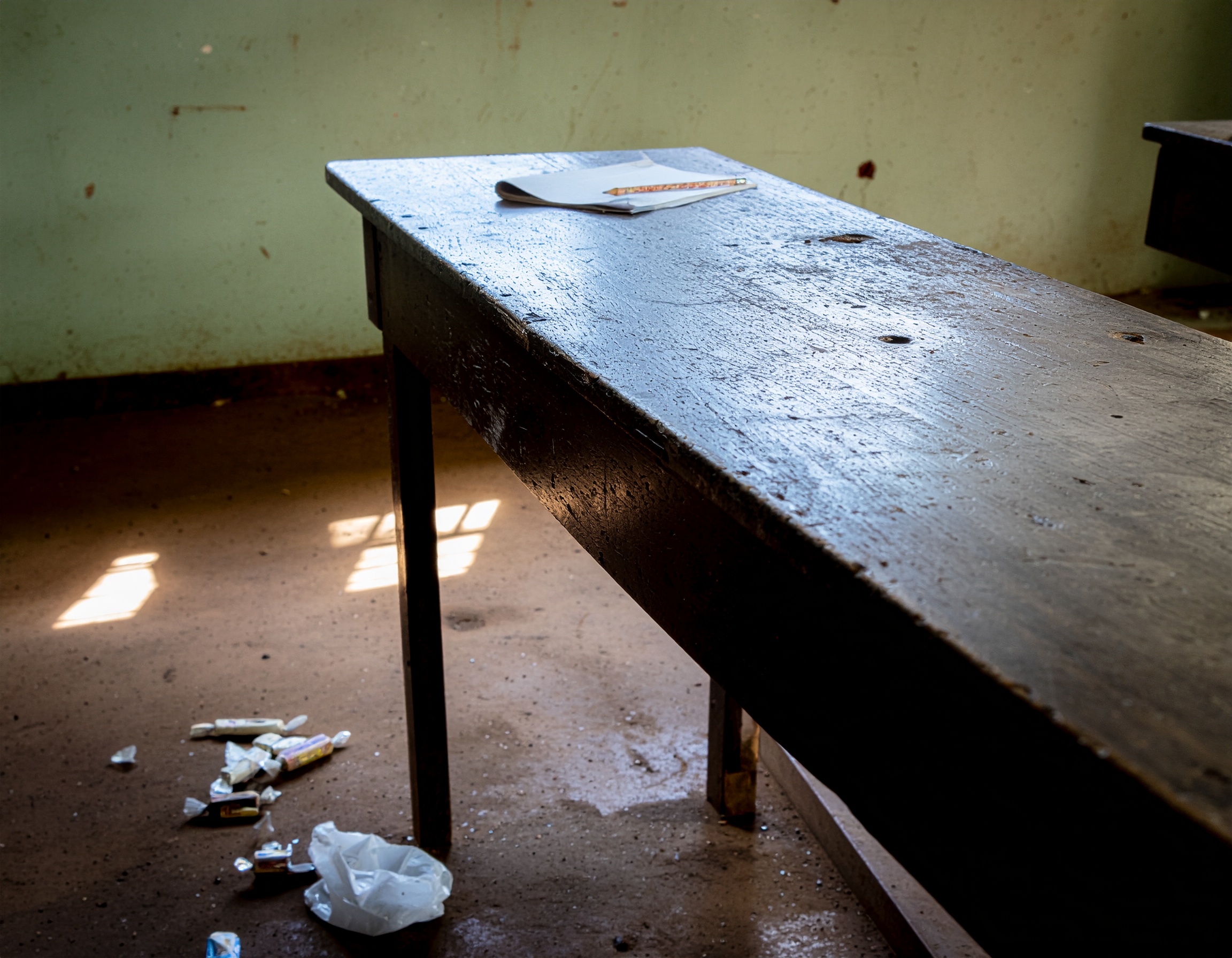

Schools are meant to be sanctuaries of learning, but a disturbing new trend is turning them into environmental hazards. A recent video report highlights a significant litter crisis where school grounds are rapidly transforming into dumping sites. Instead of clean desks and open playgrounds, students and teachers are navigating classrooms cluttered with nylon papers and sweet sticks.
The Cost of a Clean Environment
Why is this happening? The root of the problem is complex, blending behavioral issues with severe economic hardship. The school featured is grappling with over half a million in school fee balances and significant accumulated debts. This financial strain has crippled their ability to implement proper waste disposal methods, leaving the administration helpless as the litter piles up.
A National Culture of Neglect
However, money is only part of the story. The crisis points to a broader societal issue: the lack of a waste sorting culture in Kenya. The video notes that even when authorities provide disposal solutions, individuals often fail to take ownership of the waste they generate.
The NEMA Mandate
The National Environment Management Authority (NEMA) is clear on the way forward. New regulations now require waste segregation at all stages—from the source to collection and transportation. The message is simple: keeping our environment clean isn’t just the government’s job; it is a matter of individual responsibility.
To restore our schools to dignity, the solution must be twofold: alleviating the financial burden on educational institutions and, crucialy, shifting our mindset to take responsibility for every piece of trash we discard.