

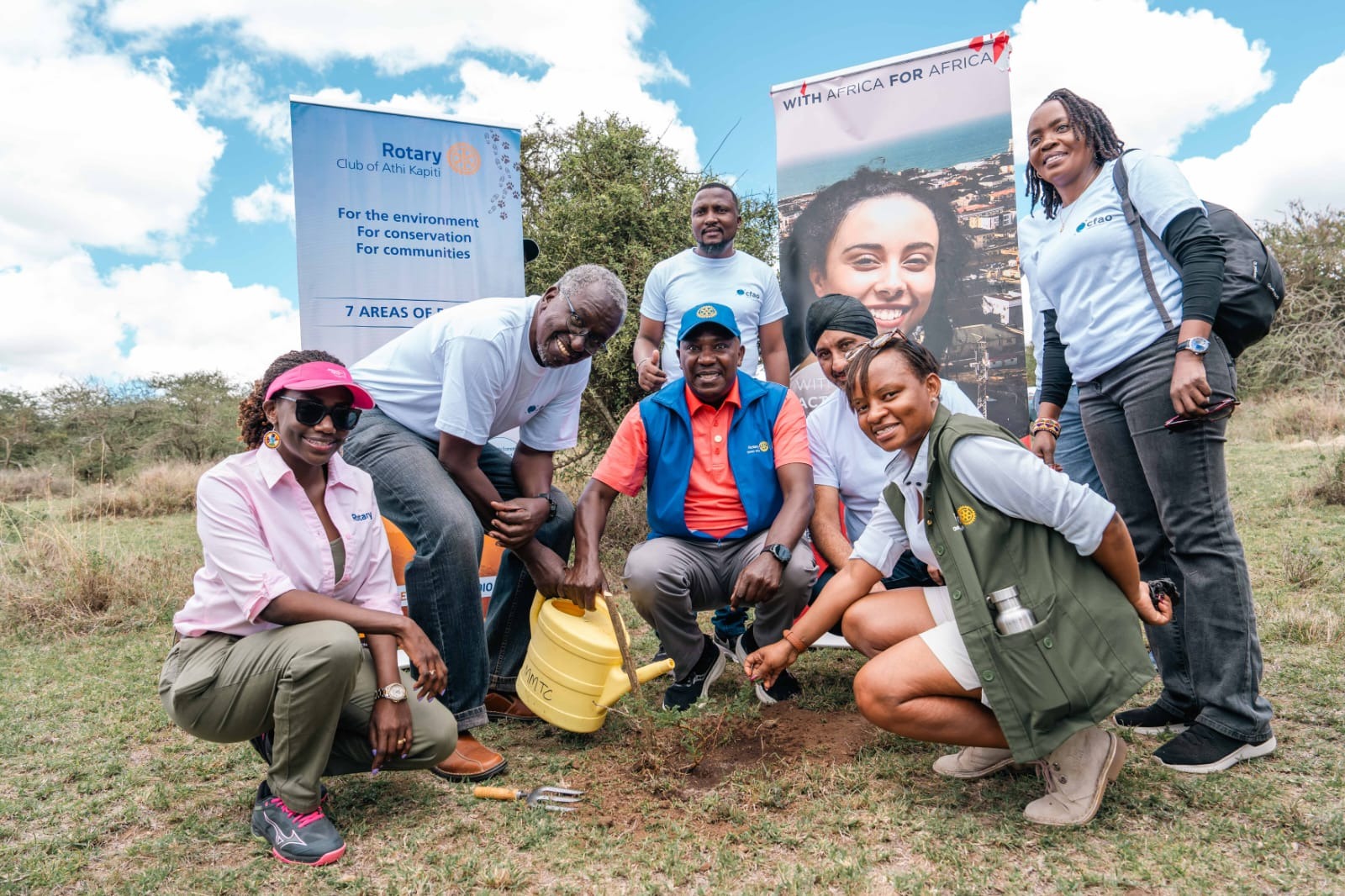

In the heart of Mavoko, a critical conversation is taking place. A recent environmental conservation event held in Athi Kapiti has brought together experts, corporations, and community leaders with a singular message: the time for passive observation is over. Covered by SOOTV, the event highlighted the urgent need for stricter adherence to waste management guidelines and a collective cultural shift toward conservation.
Here is a breakdown of the key initiatives and insights from the event.
The E-Waste Ticking Time Bomb
While general waste segregation remains a priority, a specific alarm was sounded regarding electronic waste (e-waste). James Kitavi, an e-waste expert, pointed out that everyday items like obsolete phones and solar panels are becoming a significant, yet often overlooked, hazard.
- The Solution: Stakeholders are urging the government to license specialized companies to handle this sophisticated waste and to drastically increase public awareness on how to dispose of old electronics safely.
The Maanzoni Million Tree Planting Initiative
A major highlight of the event was the Maanzoni Million Tree Planting initiative, a strategic partnership with the Rotary Club of Athi Kapiti.
- The Goal: To plant 1,000 seedlings in two phases—400 have already been planted in Phase One, with the remaining 600 scheduled for the upcoming rainy season.
- The Focus: Unlike generic planting drives, this project is creating an arboretum specifically for endangered and indigenous trees native to East Africa, ensuring local biodiversity thrives.
Conservation as a “Family Culture”
The event stressed that environmental stewardship cannot be left to the government alone; it must be a value taught in schools and homes.
- Corporate Support: CFAO Mobility was recognized for funding these initiatives, demonstrating how organizations can align with the United Nations Sustainable Development Goals (SDGs) to mitigate climate change.
- Wildlife Awareness: Michael Mbiti of the Kenya Wildlife Service (KWS) linked rising human-wildlife conflict directly to a lack of public awareness. To bridge this gap, participants engaged in birdwatching and released fingerlings into a local dam, reinforcing the ecological importance of preserving animal habitats.
The Bottom Line
The consensus from Athi Kapiti is clear: humans coexist with nature, not above it. Our livelihoods, health systems, and medicinal resources depend on the environment. The call to action is for every Kenyan to act with passion and urgency, treating environmental degradation as a personal burden we must all help carry.
