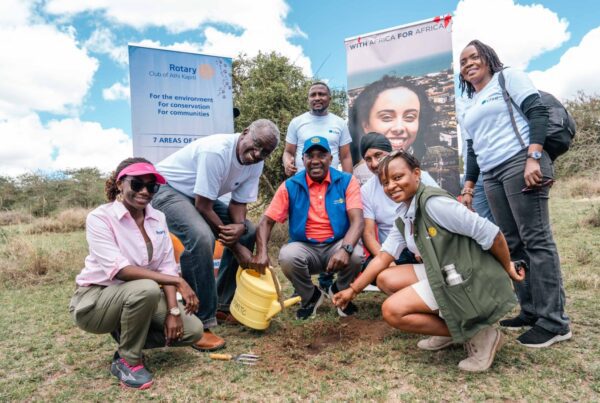
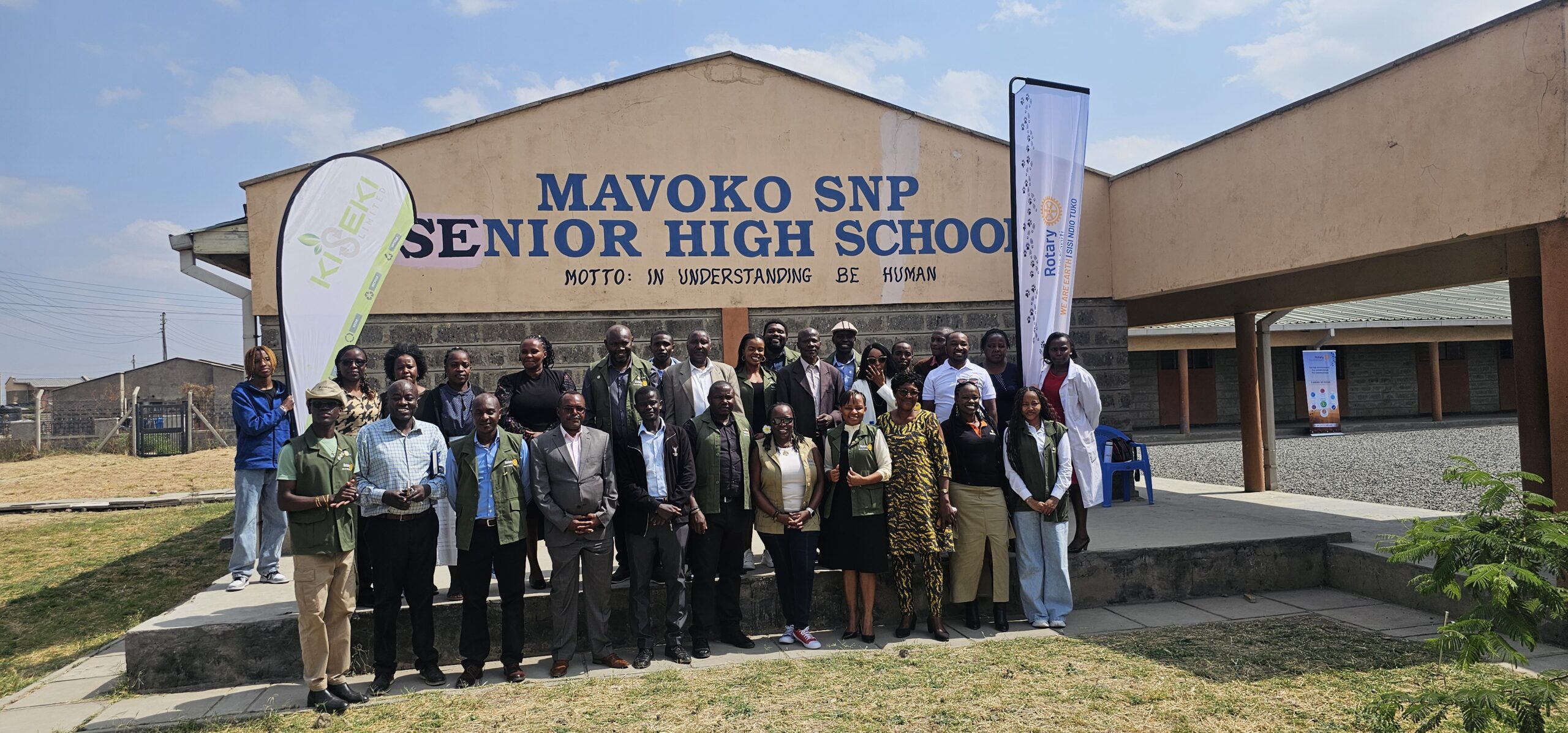

A quiet revolution is taking place at Mavoko SNP High School in Machakos County. It isn’t about new textbooks or exam scores, but about something arguably just as vital: sanitation and dignity. A recent report details how the Rotary Club of Athi Kapiti, in partnership with Oxford University Press, is spearheading a “waste management revolution” to tackle the school’s environmental and health challenges.
However, this story of progress is set against a stark backdrop of financial survival.
The “Bin” Revolution: Safety First
For years, schools like Mavoko SNP have struggled with waste disposal, often resulting in haphazard dumping grounds near critical areas like kitchens. James Kitavi, representing the Rotary Club and the nonprofit KISEKI, noted that this practice was a ticking time bomb for sanitation-related illnesses.
To combat this, the initiative introduced color-coded bins designated for sorting food waste, plastics, and metals. This simple yet effective system aligns the school with the National Environment Management Authority (NEMA) directives, transforming the campus from a potential health hazard into a structured, safe environment.
Students Taking the Lead
The true success of the program lies in its adoption by the students. Led by Kieshah Juddy Wanjiru, the Environmental Club President, the student body has embraced the change with enthusiasm. They are committed to making Mavoko SNP a “model for environmental hygiene,” proving that when given the right infrastructure, the youth are eager to protect their spaces.
Progress Amidst Peril
Despite these strides in hygiene, the school is fighting a different battle on the balance sheet. School Board Chair Charles Maundu revealed a deepening crisis: the institution is currently in debt by nearly KSh 500,000.
This financial strain stems from a reduction in government student capitation and worsening economic conditions that make it difficult for parents to pay school fees. The situation paints a complex picture of a school successfully innovating for the environment while struggling to sustain the basic needs of its 166 learners.
The Verdict
The initiative at Mavoko SNP is a powerful reminder of what is possible when community partners step in. Yet, it also highlights a difficult balance. While the “revolution” in waste management protects student health, the harsh financial realities threatening the school’s existence remain a challenge that requires urgent attention.